February 11, 2026
Note from Fr. Stan, followed by photographs.
Our tour guide from Transworld Travel was fantastic and got us all a space in the lounge today before our flight. So we’re enjoying breakfast, beverages, newspapers, and very comfortable chairs in Frankfurt during our longest layover. It has been a great pilgrimage!

February 10, 2026
Note from Fr. Stan, followed by photographs.
In the morning, I walked with several others back into the Old City and visited the Church of the Holy Sepulcher again. I was able to show them some places we didn’t get to the day before. But we had to hustle back, and by the time I finished getting ready for the day, it was time to leave.
Our first stop was Mass in Bethany at the Church of Saints Mary, Martha, and Lazarus. There was very little touring there because we knew it would take us a while to get out of Bethany through the checkpoint. From there, we headed south along the Jordan to the Fords of the Jordan. This is the area where John was baptizing. It is also believed to be where the Israelites crossed into the Promised Land, as described in the early chapters of the Book of Joshua. There, we renewed our baptismal vows.
From there, we went on to Masada. This is a mesa overlooking the Dead Sea and is most famous for its final defense during the Jewish revolt against Rome, which ended in the year 73 A.D. Some of you might remember a miniseries about it in the 1970s. It is a place visited by all inductees into the Israeli army and a frequent destination for students in Israel. The zealots who held out there eventually took their own lives rather than fall into the hands of the Roman army.
Our final stop for the day was at the Dead Sea. Floating in the Dead Sea is an amazing experience. One of our travelers had never floated in any body of water and experienced this sensation for the first time. The Dead Sea is over 30% salt, so it is very buoyant. When leaving, you take a quick cold shower to rinse the brine off. But your skin is incredibly soft afterward.
We returned to the hotel for a service to bless all of the items we had purchased and packed, and then had our last supper together at the hotel. Things went smoothly as we went through to board our first flight. We even had a brief prayer service in the airport, reflecting on all we had seen and experienced.
It was a wonderful pilgrimage.


February 9, 2026
Note from Fr. Stan, followed by photographs.
I enjoy early morning walks and going into the Old City of Jerusalem before anyone else is around. Unfortunately, I couldn’t remember the exact route from the hotel. We did eventually get there, but it turned into a three-mile walk instead of 1.1. I took a cab back and relearned the lesson of agreeing on the fare before getting into the car. We settled on something reasonable, which ended up being about half of what he initially asked.
Monday was our full day in the Old City. The bus dropped us off just outside the city walls, and we entered through Lions’ Gate, also known as St. Stephen’s Gate, on the east side of the Old City. Our first stop was St. Anne’s Church, traditionally identified as the birthplace of Mary. It also includes the Pool of Bethesda, mentioned in John chapter 5, where Jesus cured the paralytic who had been waiting by the pool for 38 years. The church itself is beautiful and has remarkable acoustics for singing.
From there, we went on to the Antonia Fortress, the traditional starting point of the Via Dolorosa. This is where the first stations are located, including Jesus being condemned to death and taking up His cross. The site also includes the Chapel of the Flagellation, commemorating the scourging Jesus endured. The pavement stones in another chapel date back to the time of Jesus, and it is possible that He stood on them. There is also a game etched into the stone, believed to have been used by the soldiers. This was Pontius Pilate’s place in Jerusalem.
We walked the Via Dolorosa, stopping at each of the marked stations. Most have small chapels connected to them, although we arrived before opening hours for a few. If you wait too long, the narrow streets become crowded with vendors and noise, which is not conducive to a prayerful experience. Stations one through nine are along the Via Dolorosa itself. Stations ten through fourteen are inside the Church of the Holy Sepulcher. We completed those final stations on the roof of part of the church and then passed through a Coptic chapel to reach the main entrance. We prayed them quietly, since loud prayer services are not really permitted inside the church.
Entering the Church of the Holy Sepulcher was amazing, absolutely amazing. Remarkably, there was no line to see the tomb. We entered four at a time. We celebrated Mass at 10:00 in a side chapel maintained by the Franciscan order, which is the custodian of most of the holy places in the Holy Land. The chapel features what may be the pillar at which Jesus was scourged. After Mass, we visited the tomb and then joined others in climbing the steps to Mount Calvary. There, we were able to touch the top of the mount through a small opening beneath the altar.
We then learned more about other traditions connected to the church. One ancient tradition holds that Jesus was crucified over the burial place of Adam. Beneath Calvary is a chapel known as the Chapel of Adam. There are many, many other things to see in the church. There is also some construction underway. Craftsmen from Europe are restoring parts of the floor, and materials are stacked both outside and, remarkably, even inside the church, including a few tractors.
We left the church and went to a nearby souvenir shop, which also has some antique items. As it turns out, some of our visits are determined by the availability of bathrooms. It’s just part of the deal. We had lunch nearby, with choices that included falafel, shawarma, and pizza.
We were given a few minutes to wander on our own, and I went back to the Church of the Holy Sepulcher to visit a few additional places.
Next, we walked through the city to the Western Wall, also known as the Wailing Wall, a place many people recognize from television. Jews and others gather there to pray. The wall itself is actually a retaining wall, built to create a large flat area for Herod’s expanded Temple, the one Jesus would have known. We spent some time praying there. Next week, I will be doing what is called the Western Wall Walk. The section where people pray today represents only about one-sixth or one-eighth of the total length of the wall. We gained a much better understanding of the succession of temples and the many changes to the area over the past 3,000 years.
From there, we took a short bus ride up to Mount Zion and visited the Cenacle, also known as the Upper Room or the site of the Last Supper. This is also where Jesus washed the feet of His disciples and where the Holy Spirit descended at Pentecost. I was reminded of Archbishop Hebda’s pastoral letter after the first synod, with its themes of being called, gifted, and sent by the Spirit. He reflects on the Eucharist, the washing of feet, service to others, and being empowered by the Holy Spirit.
We then went down below to the traditional burial place of King David. While David was not actually buried there, the site reflects a Crusader-era tradition and remains a place of prayer for many Jewish people. From there, we walked down the hill to St. Peter in Gallicantu, which means “St. Peter of the cockcrow.” This is likely the site of the house of Caiaphas, where Jesus was taken after His arrest. There is a jail there, and below it a dungeon where Jesus may have been held. It is a very dark place. We read Psalm 88 there, which ends with the line, “My only companion is darkness.”
We returned to the hotel and, after a short rest, went out to dinner together. Our conversations continue to deepen and last longer each evening. We have a wonderful group here.


February 8, 2026
Mass today was celebrated on the Mount of Beatitudes.


February 7, 2026
Note from Fr. Stan, followed by photographs.
Fourth full day of touring. Another busy day, with great content and great weather.
We began the day in Cana, where the four couples on the trip renewed their wedding vows. We also saw what one of the stone jars would have looked like. Massive.
Our next stop was Nazareth. We celebrated Mass at 10:00 am. in the Basilica of the Annunciation. I think we sometimes forget that it was in Nazareth, not Bethlehem, that the Word was made flesh. As soon as Mary said yes, Jesus began to form within her. We spent time in the basilica, where many countries have donated images of Mary that reflect the different races, cultures, and styles of dress found throughout the world.
We then visited the Church of St. Joseph. In the lower level are many remains of a Byzantine church from the fourth or fifth century. Below that are signs that the site was already being used for Christian worship in the second or third century. That places it close enough to the time of Jesus that there may have been an oral tradition identifying where St. Joseph worked and where the Holy Family lived. There is also strong evidence that members of Jesus’ extended family lived there until at least the year 249. Pilgrimage visits and devotion to Mary are evident as early as the third century, nearly 200 years before she was formally proclaimed Mother of God.
Our tour guide led us into the museum, which I had never visited before. It contains many additional artifacts that strengthen the case for a significant Christian presence in the early centuries. We also saw a house from about 1000 BC, which helps us understand how most people lived even in the time of Jesus. Without going into too much detail, it also sheds light on the Christmas story, including why animals and a manger would have been part of that setting.
We then spent some additional time at the Basilica of the Annunciation, especially looking at the doors, which tell the story of salvation history. Lunch was a pleasant surprise, a free meal at a charming restaurant, and it was very good.
After lunch, we headed to Mount Tabor, a likely site of the Transfiguration. There is a beautiful church there. Mount Tabor is unique in that it rises about 2,000 feet above the Jezreel Valley, with no nearby hills. It was also the site of a major battle around 1125 BC between the forces of Sisera, with his 900 iron chariots, and the forces of Barak, who was called by the judge Deborah to lead the army. See Judges, chapters 4 and 5.
Next, we visited Capernaum. We saw the house of Peter, where Jesus stayed for a time. The site also shows how communities shared housing in those days. Nearby is a synagogue from the fourth century, built over the remains of the first-century synagogue where Jesus taught. See Mark, chapter 1.
We returned to the hotel, and the evening was much quieter now that the Sabbath had ended and many of the Jewish guests had left. After dinner, we had a small wine gathering in my room. I had been given a suite and wanted to share it. We talked about the trip and many related topics, and it gave me ideas on how to organize future pilgrimages. This has been such a good experience that I may try to come again.
Tomorrow will be another busy day, beginning with a boat ride on the Sea of Galilee, followed by Mass on the Mount of Beatitudes and visits to several sites around the lake. Then we will leave Galilee and head down to Jericho, and from there go up to Jerusalem. After that, just two more days before we return home.
Peace be with all of you.
Today began with a beautiful view of the Sea of Galilee.

Renewal of Wedding Vows in Cana


Mass was celebrated today at the Basilica of the Annunciation in Nazareth.


A Note from Fr. Stan about the First Three Days:
Flights went well for most of us, and those coming from another starting point arrived in Bethlehem around 11:00 at night. We all began touring together on Wednesday morning. Many of us had already gained a sense of the geography of the Holy Land during the bus ride from the airport to the smaller, mostly empty hotel where we are staying in Bethlehem.
Our first stop was the Mount of Olives, which gave us our first view of the Old City of Jerusalem, the familiar image seen so often in photographs. We visited Pater Noster, where Jesus taught the Our Father. The prayer is displayed there in at least 175 languages on the walls of an open-air church. The deeper importance of the site is its connection to the Ascension. It is built over a church originally constructed by St. Helena, the mother of Emperor Constantine, who also built major churches at the sites of the Nativity, the Crucifixion, and the Resurrection. We were able to go down into the cave where Jesus taught His disciples and prayed the Our Father, and then explore the surrounding area, including the roofless structure that points to the mystery of the Ascension.
We then walked down the Mount of Olives along the Palm Sunday path, the route Jesus likely took. We stopped at the church of Dominus Flevit, meaning “The Lord Wept,” which commemorates Jesus’ sorrow over Jerusalem, which would be destroyed in the year 70. Our guide explained the surrounding hills and valleys, the earlier city walls from the time of King David, which differed from the current walls, and the various stages of the Temple’s history.
We continued to the Garden of Gethsemane and celebrated Mass in the Church of All Nations, near the rock where Jesus prayed on the night before His death. It was a moving experience. We were then picked up at the bottom of the Mount of Olives near the Kidron Valley and traveled to lunch near Bethlehem. Jerusalem and Bethlehem are only about five miles apart. Along the way, we passed near the Herodium, the man-made mountain where King Herod the Great was buried.
Our next stop was the Church of the Nativity. Because there are so few pilgrims, we were able to enter without the long waits that are common here. We visited both the birthplace and the manger in the cave where Jesus was born. Some restoration work is underway and expected to last about eight months, so parts of the grotto are currently blocked off. We also explored other parts of this ancient church, the only one to escape destruction during the Persian invasion of 614. Recent restoration has revealed additional mosaics, and cleaning the pillars has shown later work by the Crusaders, apparently done in cooperation with earlier Byzantine improvements.
We returned to the hotel for a presentation by Joseph Hazboun of the Catholic Near East Welfare Association, which supports Christians throughout the Middle East. He spoke about the challenges faced by Christians as a very small minority, the realities of life on the West Bank, and the difficulties of traveling even short distances to Jerusalem for work or family visits.
After supper, I went for a long walk back to the Church of the Nativity and explored the area along the way. I met both my step and calorie goals that day.
(Thursday, February 5, 2026)
I like to take people on early morning walks to see places we normally miss. Three others joined me at 4:45 a.m. for the short walk to the Church of the Nativity. We were able to enter the grotto again and spend time at the place of Jesus’ birth. We then explored the caves beneath the church and attended Mass there at 5:30 a.m. The Mass was in Spanish, a good reminder of the universality of the Church: Mass in Spanish, in Palestine, with mostly English- and Arabic-speaking pilgrims. After further exploring, we returned to the hotel for breakfast.
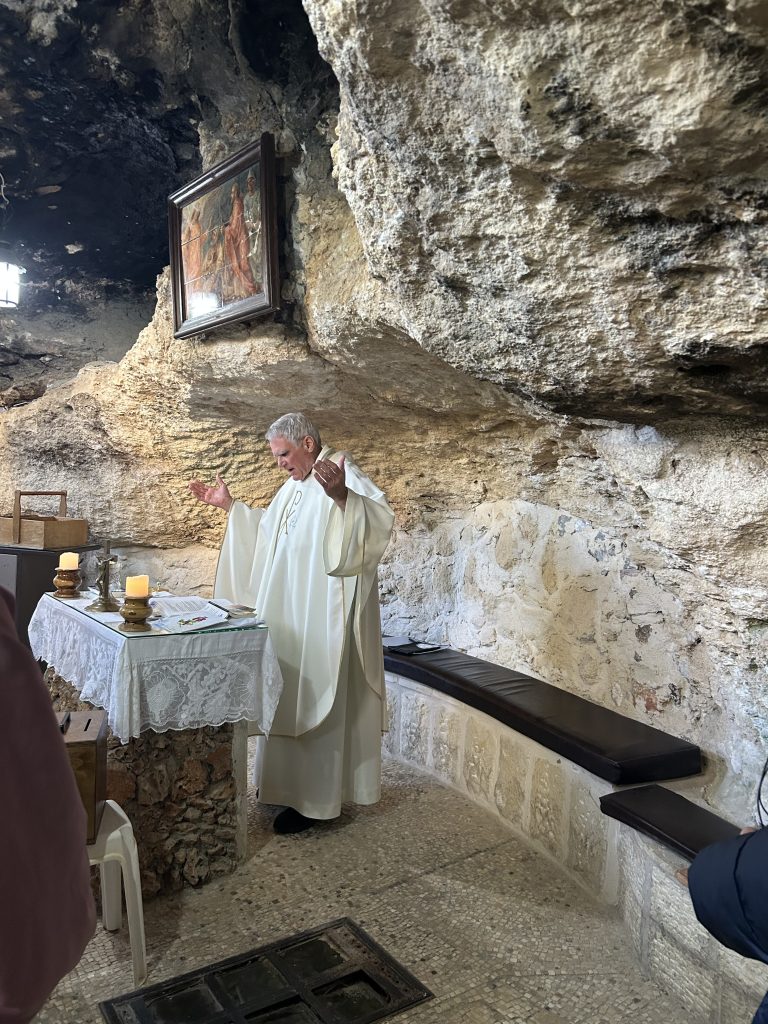
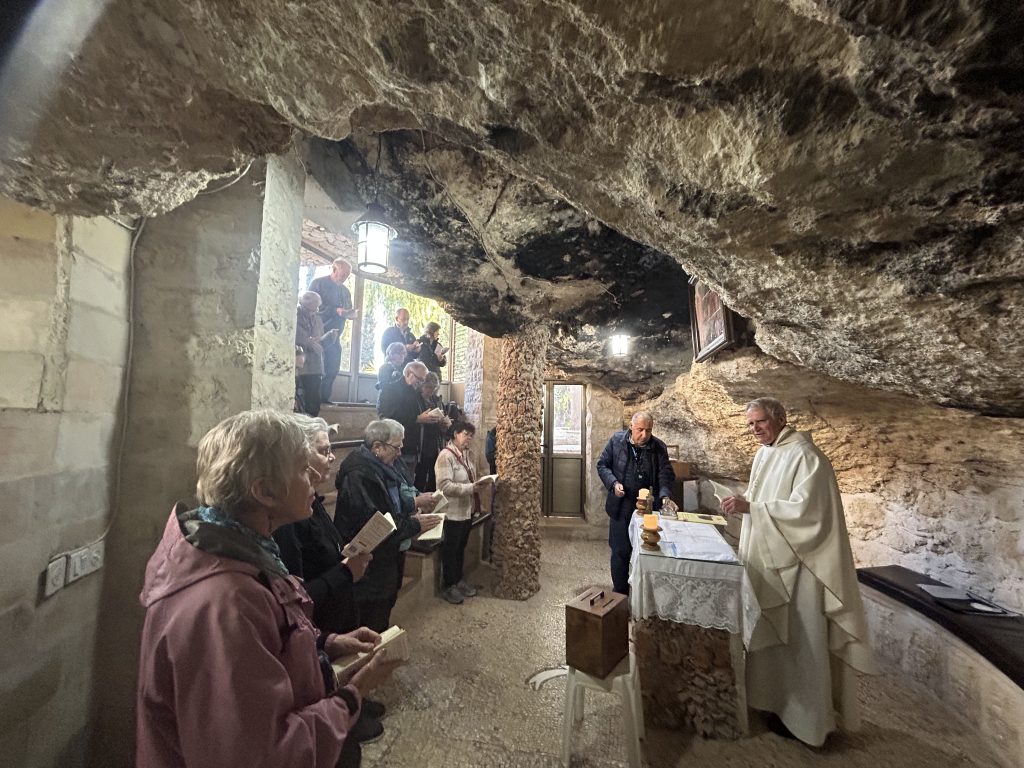
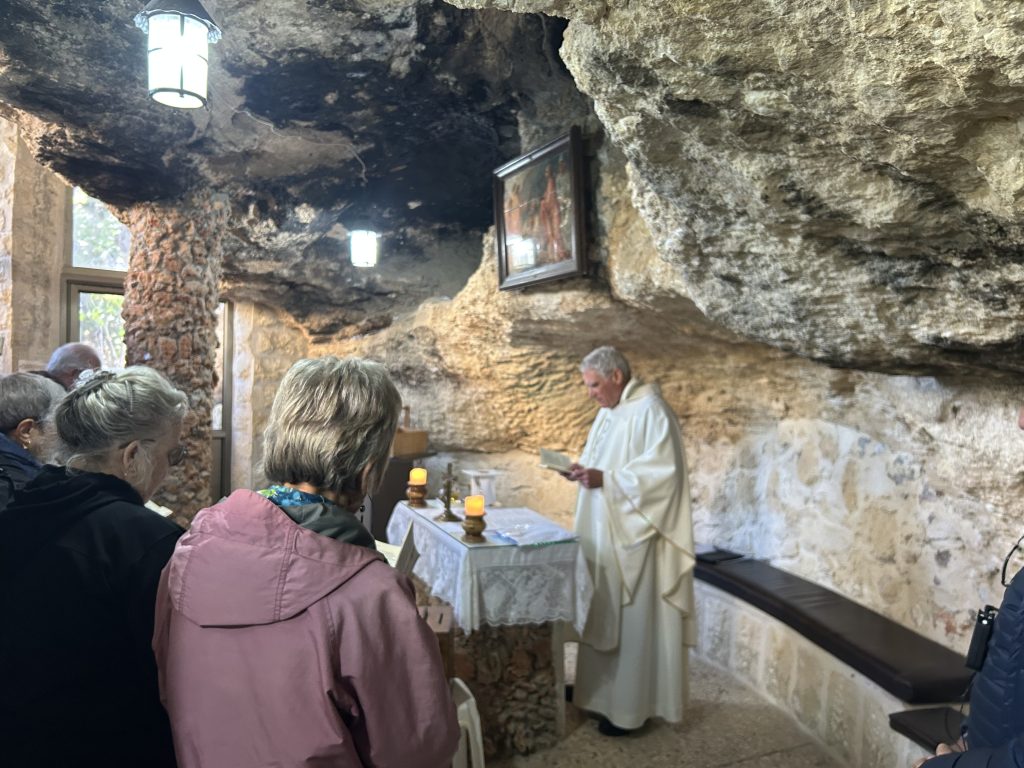
We left at 7:45 for Mass at Shepherds’ Field near Bethlehem, celebrated in a cave. After visiting the chapel and spending time in that peaceful setting, we stopped at a shop selling olive wood carvings. You will hear more about that in a few weeks. I purchased a gift for the parish.
Later, we traveled into the Judean hill country and visited Yad Vashem, the memorial and museum dedicated to the six million Jews murdered in the Holocaust during World War II. It is a sobering and powerful experience.
After lunch at a center run by a religious order, we passed through a wooded area, the greenest landscape we had seen so far, and arrived at Ain Karem. There, we visited two sites, one associated with the birth of John the Baptist and the other commemorating the Visitation.
That evening, we had supper at a restaurant called The Tent, designed to reflect a traditional Bedouin tent. The Bedouins are a semi-nomadic people traditionally associated with shepherding.
(Friday, February 6, 2026)
I began the day again at 4:45 a.m., this time with five others, repeating the early morning visit to the Church of the Nativity. It was nearly a repeat of the previous day.
After checking out of the hotel, we spent the day traveling and visiting sites. Our first stop was Caesarea Maritima, a city built by Herod the Great as a major Mediterranean seaport. It appears in Scripture as the site of the first Gentile baptisms, in the story of Peter and Cornelius, and as the place where Paul was imprisoned while awaiting his appeal to Caesar. The city included a theater, a hippodrome, and a palace, and required an aqueduct to bring in water. New since my last visit was the discovery of what is believed to be the prison where Paul was held for two years.
From there, we traveled north to Stella Maris, “Star of the Sea,” on Mount Carmel. This is the birthplace of the Carmelite Order and is associated with the prophet Elijah and his confrontation with the prophets of Baal during the reign of King Ahab and Queen Jezebel. We celebrated Mass there and enjoyed lunch prepared by members of the religious community.
We passed through Haifa and continued to Akko, also known as Acre, the last stronghold of the Crusaders in the Holy Land. We toured both the Ottoman city and the Crusader city beneath it.
We then arrived at the Sea of Galilee and visited Magdala, the hometown of Mary Magdalene. During the construction of a pilgrimage center, extensive first-century ruins were uncovered, including a marketplace and a synagogue with a rare and beautifully carved stone used for reading the Scriptures. We also visited the church Duc in Altum (“Put out into the deep”) and viewed an impressive mosaic map of the Galilee. It was encouraging to see places we had already visited and to anticipate those still ahead.
We checked into our hotel on the Sea of Galilee. It is currently the Sabbath, and many Jewish families are here observing it. By tomorrow evening, the area should be much quieter.
We are enjoying excellent weather, with temperatures in the 70s and no rain. There are very few pilgrims, though we have encountered some from the United States. It has been a wonderful trip so far, and the best days are still ahead. You would enjoy being here. We are safe, comfortable, and at peace.
We pray for you each day and carry your intentions with us.
February 6, 2026
Today we celebrated Mass in the Chapel of the Stella Maris Church.


Here is a gallery of photos from today’s adventures with descriptions from Fr. Stan.


February 5, 2026
Mass was celebrated today at Shepherds’ Field, where the angels announced the birth of Christ to the shepherds.
Enjoy watching this video of St. Joseph parishioners walking through the Door of Humility. The Door of Humility is the low entrance to the Church of the Nativity in Bethlehem, intentionally reduced in height centuries ago. Pilgrims must bow to enter, a physical reminder that we approach the mystery of Christ’s birth with reverence and humility.
February 4, 2026
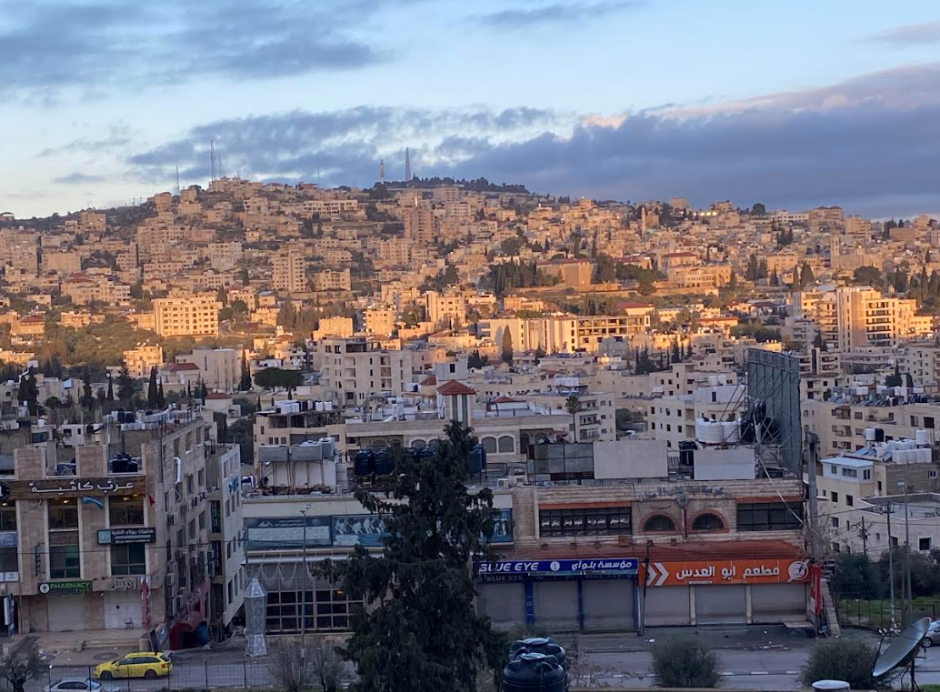
From my hotel balcony in Bethany, it is easy to picture the Gospel scenes that unfolded here. This was a place where Jesus spent time with close friends and stepped away from the crowds. From the Mount of Olives, Jerusalem stretches out below, familiar and striking. This hillside witnessed Jesus’ prayer, His sorrow for the city, and the beginning of His Passion. After dinner, I went for a walk, and this photo was taken around 8:25 in the evening at the Church of the Nativity.


February 3, 2026
We’ve landed safely in Israel and are now gathered at the gate. We’re hoping our tour leader arrived just ahead of us, though I haven’t heard from her yet. One couple traveling from Mexico City experienced a delay and will be joining us later this evening. The rest of us, 17 pilgrims from our flight, are doing well and in good spirits as we begin this journey together.
From the February 1 bulletin article by Fr. Stan:
“We will be off on our Holy Land Pilgrimage starting on Monday, February 2. We arrive in Israel sometime on Tuesday, February 3, and will spend several nights in Bethlehem, see all the sights there, and some around Jerusalem, which is only six miles away. Then we swing up the coast, visiting Caesaria and Mt. Carmel, Acre, and then spend several nights in Tiberius, which is on the Sea of Galilee. We will visit all around the lake, as well as Nazareth, Cana, Mt. Tabor, and other places. Then we leave Galilee to go to the baptismal site of the Jordan River, and then down to Jerusalem for the final few nights. We will also visit the Dead Sea, Masada, Jericho, and hopefully Bethany. We will see lush lands and barren deserts, the Mediterranean Sea, the Dead Sea, and the Sea of Galilee. Please pray for us; we will be praying for you. We will return the afternoon of February 11. It just occurred to me that we will be gone over Super Bowl Sunday. I’m sure we can read about it when we get back. I will be sending short reports back to the parish so you can pilgrimage with us.”

June 1, 2025 (From the Bulletin)
When you read this, I will be either on my way to Greece or already there. People have been asking me some questions about the trip: How many are going? There will be 26 traveling together. Seven of us are from St. Joseph, a few more are people I know from sometime in my life, and the remaining 15 are members of St. Joseph of the Lakes Church in Lino Lakes. Some of those were on a trip with me in 2023. Have I ever been to Greece? Sort of … I stopped there for two days while on my way to study in Jerusalem in 1990. On that trip, I arrived on a ferry, was on a very slow train, stayed at a youth hostel, and had no guide. This trip will be very different. I have not been elsewhere in Greece, so to see Athens more intentionally, and then visit Corinth, Thessaloniki, Philippi, and Ephesus (actually in Turkey), all places which had churches in Paul’s times, is a new experience, as is a cruise, which is part of this trip. Please pray we come to a deeper faith and that we all remain healthy. Thank you!
June 4, 2025
It’s been a rough start. We’re still in Chicago. Our flight was delayed… then delayed again… and again—until eventually we were put up overnight somewhere. Then came word the flight was canceled. Now, there’s a new one scheduled to leave around 2:00 this afternoon, which should get us to Greece sometime Thursday morning.
Everyone is doing their best to hang in there, though there have been other frustrations—like the meal vouchers they gave us not actually working when we tried to use them. So far, not exactly impressed with American Airlines.
But here’s the very good news: we’ve surpassed our goal for the Lord, Renew Your Church campaign!
June 5, 2025
We arrived in Athens at 1:00 am (Greece time) after a 28-hour wait in Chicago! The flight itself was smooth—just a day late. Thankfully, all of our luggage made it, and we were even able to connect with a few others who arrived on a different flight. Tomorrow, we’ll head to Corinth, and our time in Athens will be shifted to the last Saturday of the trip (June 14).
June 6, 2025
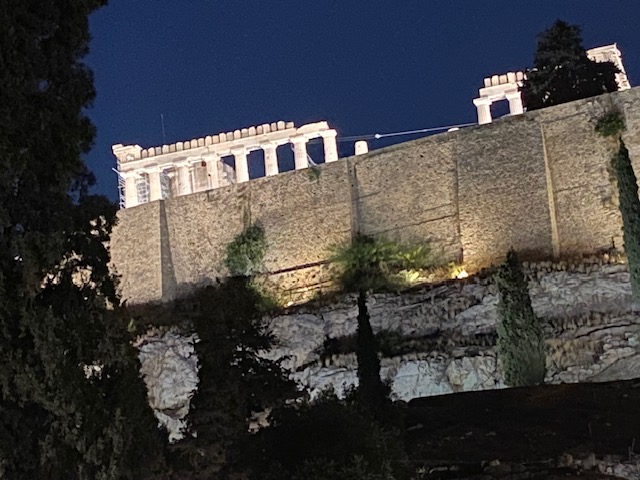
We finally arrived in Athens—28 hours late. Twenty of those hours were spent at O’Hare Airport waiting for a flight. But once here, we have been having a wonderful time. Last night after dinner, we walked near the Acropolis in Athens. There are many shops and restaurants in that area, with the dramatic backdrop of the Parthenon. Today, we went to Corinth, where Paul lived for a year and a half. He went there after a disappointing time in Athens, trying to preach using philosophy and poetry (Acts 17), and determined to preach nothing but Christ and Him crucified. See 1 Corinthians 2:1–2.
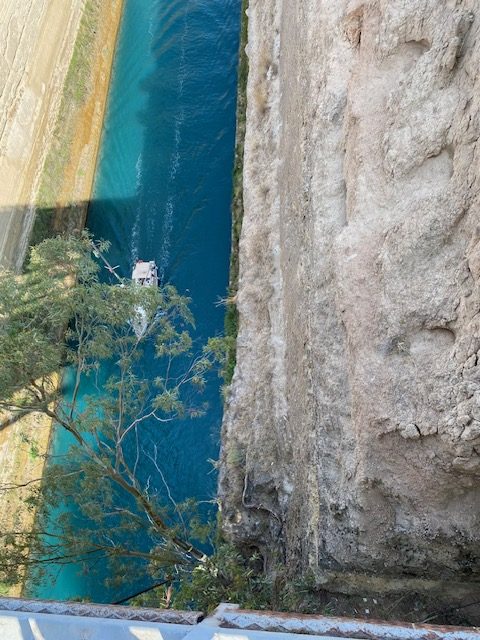
Corinth, at the time of Paul, was a very large city—perhaps 200,000 people or more. It was the crossroads of major trade routes and provided a shortcut from the East to Italy. Today, there is a canal cut through the Isthmus. In Paul’s time, ships and cargo were dragged a few kilometers overland, then placed into the water again on the other side of Greece.
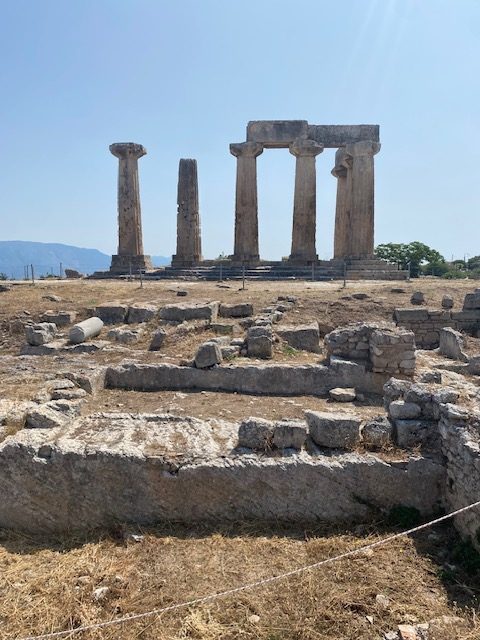
We celebrated Mass in the open air, in the ruins of the ancient city. There are remains of a pagan temple dating back 2,600 years. On Saturday, we celebrated Mass at a small Catholic chapel in Athens. We have a little free time now and then will board a ship for seven days, during which we will visit Philippi, Thessaloniki, Ephesus, and other places.

June 9, 2025
Our day today was spent in Ephesus. Paul lived here for almost 3 years. At the time it was a city of 200,000 people and became the third major center of Christianity after Jerusalem and Antioch. He was there three different times, once just passing through another time during his long stay there and finally on his way as he said goodbye to everyone. Most of the information would be found in Acts chapters 16-18. Of course, there’s also Paul’s letter to the Ephesians. Below there is a picture of the home of the Virgin Mary when she was in Ephesus. This very small building is available for a public visit. We had mass in a chapel adjacent to it run by Franciscans. The second picture is the tomb of St. John the Apostle in the ruins of the Basilica of John the Apostle.


June 11, 2025
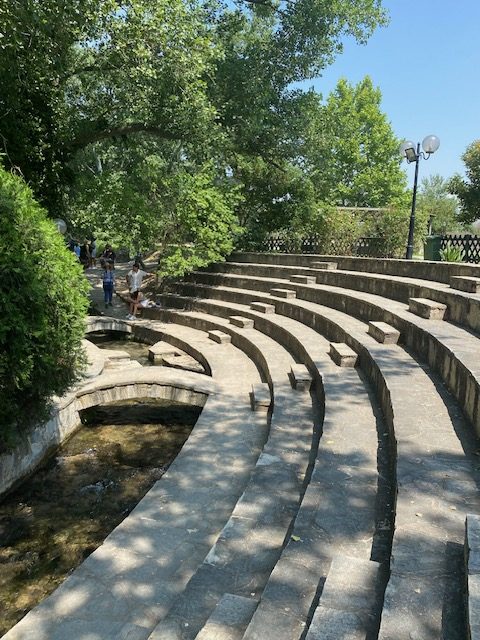
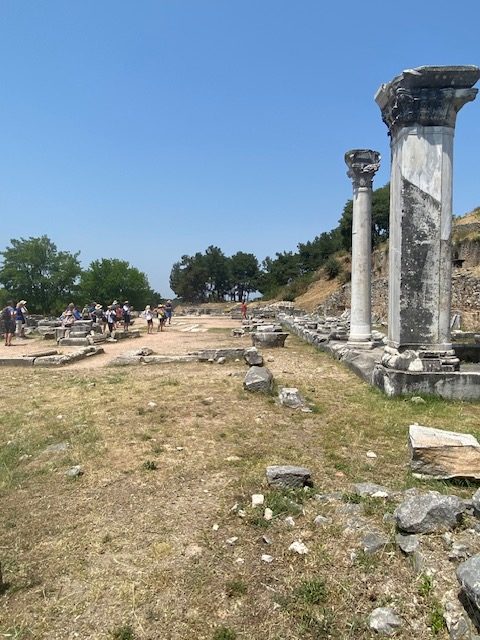
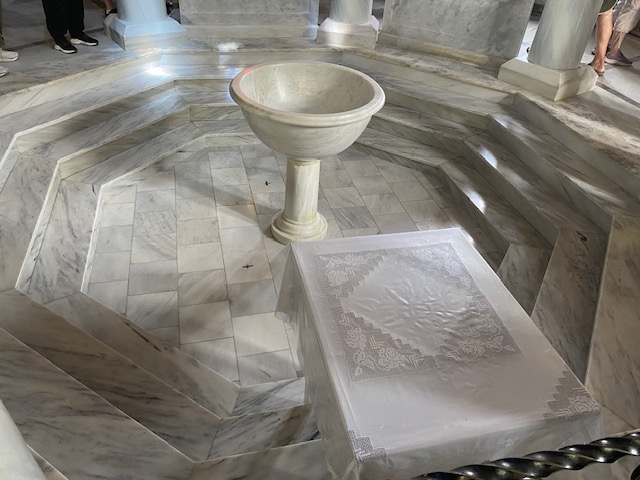
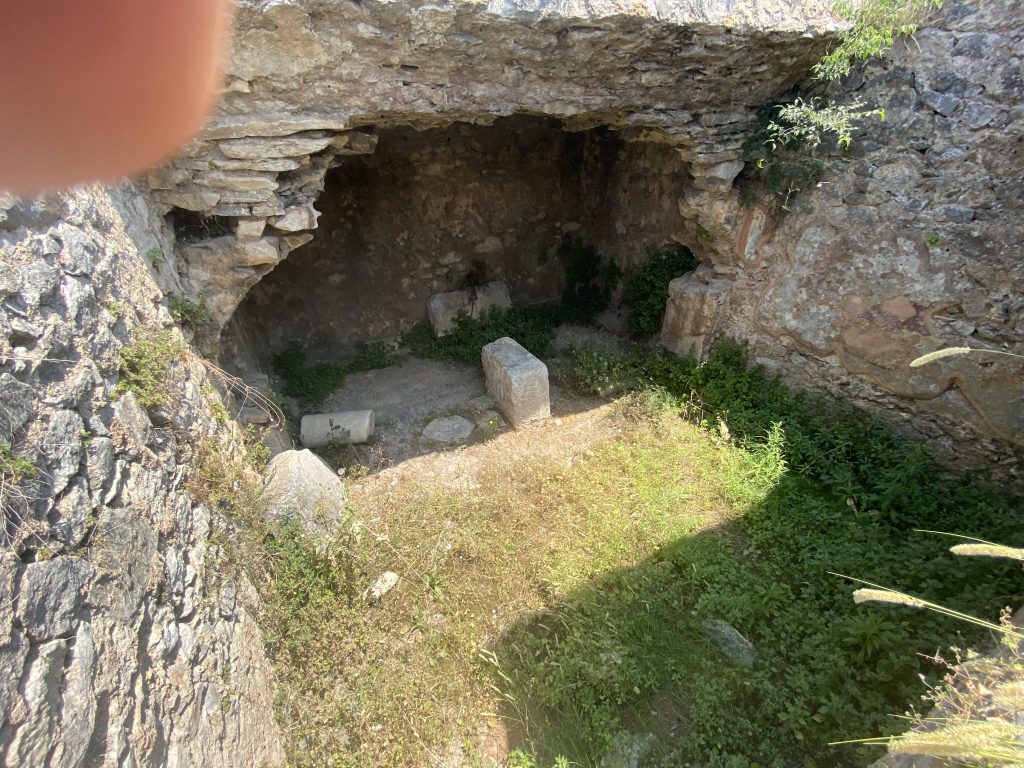
Today we were in Philippi. Read Acts 16 for most of Paul‘s story in Philip. We had Mass at the baptismal site for Lydia. As you can see from the accompanying picture, it’s a beautiful spot. Later we toured ancient Philippi. It was named for the father of Alexander the Great, Philip II from Macedonia. It eventually became a Roman city. There were three different Basilica’s there all in ruins all from the sixth century or before. We also visited a more modern Baptistry, a separate building. Paul and Silas left Philip shortly after their arrest, but it’s believed that Luke remained behind for some time. Paul had a very close and loving relationship with the people of the church of Philippi. Philippi is a bit inland. We docked at Kavala and were bussed to the site. Tomorrow, we will be in Thessaloniki and will celebrate Mass at the Roman Catholic Church there, the Immaculate Conception. Christianity in Greece is 97 or 98% Greek Orthodox, so catholic churches are rare from the time when Venetians were influential in the area. Another thing we saw was what might have been a prison cell for Paul. But this comes from shaky at the station from centuries later. It is more likely just a cistern.